


-

Add: HeBei ShengShi HongBang Cellulose Technology CO.,LTD.
-

Email
13180486930@163.com -

CONTACT US
+86 13180486930




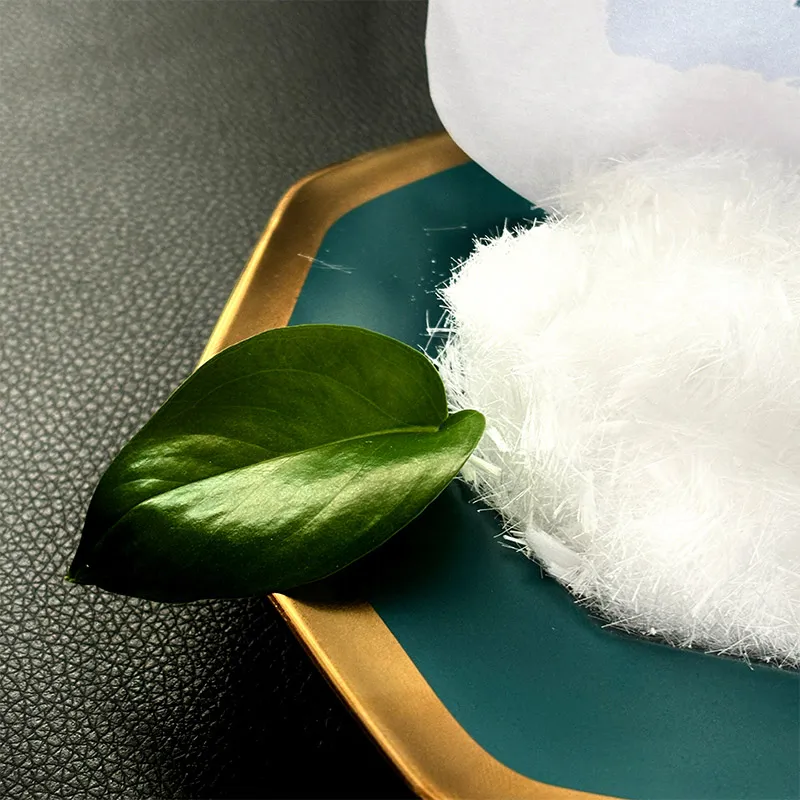
In the world of modern construction, synthetic fibers have revolutionized the way materials are used, enhancing the strength, flexibility, and durability of various building components. The different types of synthetic fibers available today are engineered for specific uses, making them indispensable in many construction projects. These fibers are often used to reinforce concrete, improve the resilience of building structures, and provide additional benefits like increased fire resistance and weather protection. From polypropylene fibers to long glass fibers , synthetic fibers offer a range of options tailored to different needs. Whether it’s increasing the strength of cement or providing insulation properties, the different types of synthetic fibers ensure that construction projects meet high standards of quality and longevity. In addition to their superior performance, synthetic fibers are often more cost-effective and readily available than traditional materials. This makes them a preferred choice for construction companies aiming to reduce costs while maintaining high-quality results. Furthermore, the environmental impact of synthetic fibers is increasingly being addressed with sustainable production methods, making them a more eco-friendly option for the construction industry. Long Glass Fiber Polypropylene: A Key Ingredient for Stronger Materials One of the standout synthetic fibers in the construction industry is long glass fiber polypropylene . This innovative fiber combines the strength of glass with the lightweight, corrosion-resistant properties of polypropylene. As a result, long glass fiber polypropylene is often used to reinforce concrete and other building materials, providing a significant boost in durability and performance. The inclusion of long glass fiber polypropylene in construction materials helps reduce cracking and improve the structural integrity of buildings and roads. The long fibers create a matrix that distributes stresses evenly across the material, preventing localized damage. This fiber is particularly useful in high-strength concrete applications where additional reinforcement is needed. Moreover, long glass fiber polypropylene is highly resistant to environmental factors like moisture, UV radiation, and temperature changes, making it ideal for both indoor and outdoor construction projects. It is commonly used in applications like paving, drainage systems, and even in the production of prefabricated building components. Its versatility and effectiveness in improving the lifespan and reliability of building materials make it a go-to solution for modern construction needs. Fibre Natural and Synthetic: A Comparison of Strength and Sustainability When choosing materials for construction, understanding the difference between fibre natural and synthetic options is crucial. While natural fibers such as jute, hemp, and cotton have been traditionally used in construction, synthetic fibers like polypropylene, polyester, and nylon have emerged as more durable and cost-effective alternatives. Fibre natural and synthetic materials each have their own advantages, making them suitable for different types of applications. Natural fibers are renewable, biodegradable, and often produced using more sustainable methods, making them a more eco-friendly option. However, they may not offer the same level of strength or resistance to environmental factors as synthetic fibers. On the other hand, synthetic fibers are engineered for durability, offering superior resistance to moisture, heat, and wear. They are often used to enhance the properties of natural materials, making them more suitable for demanding construction environments. For example, natural fibers like hemp may be used in insulation or as a reinforcement material in low-stress applications, while synthetic fibers like polypropylene or polyester are used for high-strength reinforcement in concrete, roofing, and other critical structures. By combining the best of both fibre natural and synthetic materials, construction companies can achieve optimal performance and sustainability. Non-Woven Polypropylene Fiber: A Revolutionary Material in Construction Non woven polypropylene fiber is another essential material that is increasingly being used in the construction industry. Unlike traditional woven fabrics, non woven polypropylene fiber is made from a process that bonds fibers together without weaving or knitting, resulting in a highly versatile material with excellent durability and moisture resistance. This fiber is widely used in applications like drainage systems, geotextiles, and road construction. Non woven polypropylene fiber provides a lightweight yet strong solution for reinforcing construction materials. It is often used in soil stabilization, as it helps prevent erosion and improves the strength of the ground underneath roads, bridges, and buildings. The material's ability to resist moisture also makes it ideal for protecting against corrosion and extending the lifespan of infrastructure. Additionally, non woven polypropylene fiber is environmentally friendly, as it is made from recyclable polypropylene, a material that can be repurposed for various other uses. Its cost-effectiveness, combined with its high-performance qualities, makes it a popular choice for contractors seeking durable and sustainable solutions for their construction projects. S ynthetic F ibers FAQs What are the different types of synthetic fibers used in construction? Synthetic fibers used in construction include polypropylene, polyester, nylon, and glass fibers. Each type is engineered for specific applications, such as reinforcing concrete, improving durability, and providing insulation. What is long glass fiber polypropylene, and why is it important in construction? Long glass fiber polypropylene is a fiber that combines the strength of glass with the lightweight, corrosion-resistant properties of polypropylene. It is essential in construction for reinforcing concrete, improving structural integrity, and preventing cracking. What are the benefits of using natural fibers in construction? Natural fibers , like hemp or jute, offer benefits such as renewability, biodegradability, and sustainability. They are commonly used for insulation and low-stress reinforcement, but may not be as durable or resistant to environmental factors as synthetic fibers. How does non-woven polypropylene fiber differ from woven fabrics? Unlike woven fabrics, non-woven polypropylene fiber is made through a bonding process that does not involve weaving or knitting. This results in a highly durable and moisture-resistant material, commonly used in geotextiles, drainage systems, and soil stabilization. Are synthetic fibers environmentally friendly? While synthetic fibers are often made from petroleum-based products, many are now produced using more sustainable methods. Additionally, materials like non woven polypropylene fiber are recyclable, making them a more environmentally friendly choice in construction. As construction needs evolve, synthetic fibers like long glass fiber polypropylene and non woven polypropylene fiber continue to play a crucial role in enhancing the strength, durability, and sustainability of building materials. If you're in the construction business, investing in these cutting-edge fibers will improve the performance of your projects and contribute to more eco-friendly practices. Visit our website today to explore our wide range of high-quality synthetic fibers and learn how they can transform your construction projects!
- 40000tons

Production
- 20+years

Experience
- 5000+㎡

Acreage

-

In the ever-evolving landscape of sustainable manufacturing, high-performance environment-friendly rubber powder factories stand as a testament to innovation and responsibility. Not merely as a symbol of eco-consciousness, these factories embody the future of industrial operations by seamlessly blending high-quality production with environmental stewardship. A deep dive into these factories reveals a confluence of technological prowess and ecological mindfulness. At the core of their operations is a commitment to sustainability without compromising on performance. Unlike traditional rubber manufacturing methods that often result in significant environmental detriments, these factories harness advanced technologies that reduce carbon footprint, minimize waste, and utilize resources efficiently. This new breed of factories employs state-of-the-art milling processes that transform end-of-life tires and rubber scraps into fine, reusable rubber powder. Through this recycling initiative, not only is landfill overflow alleviated, but valuable rubber is reclaimed and repurposed. The impact is twofold—mitigating environmental harm while enabling the creation of superior rubber products that meet high industry standards. From a performance standpoint, these rubber powders do not falter . Through rigorous testing and quality control, they consistently meet the requisite benchmarks for tensile strength, elasticity, and durability. This assurance of quality has seen their adoption in a plethora of applications—from automotive parts and building materials to sports surfaces and industrial components. The ability to produce rubber powders with such precision and consistency speaks to the expert capabilities within these factories, grounded on decades of research and development. Moreover, the intelligence embedded within these production processes is awe-inspiring. These factories are equipped with real-time monitoring systems and data analytics platforms that optimize every phase of manufacture. Continuous feedback loops ensure that any deviations are promptly addressed, thereby maintaining peak operational efficiency. Such attention to detail underscores the expertise and authoritativeness these establishments command within the industry. high-performance environment-friendly rubber powder factory Their commitment does not stop at production; these factories also pioneer efforts to educate and collaborate. By partnering with academic institutions, research bodies, and governmental agencies, they foster an environment of knowledge exchange and continuous improvement. This approach not only bolsters their own processes but also elevates industry standards globally. Their collaborative projects often lead to breakthroughs that redefine the boundaries of what's possible in sustainable manufacturing. Transparency, an often-undervalued trait, is another keystone of these operations. Detailed lifecycle assessments and audits are routinely published, providing stakeholders with clear insights into the environmental impact and benefits of their products. Certifications from reputable environmental and industrial bodies further reinforce the trustworthiness of these factories. By openly sharing their methodologies and results, they set a benchmark for accountability and trust. The human element in these factories cannot be overlooked. Skilled professionals work tirelessly to ensure that operations align with both ethical standards and corporate social responsibility objectives. This dedication to ethical labor practices not only enhances product integrity but also builds a supportive and progressive workplace culture. High-performance environment-friendly rubber powder factories are more than just manufacturing units; they are vital components of a sustainable future. Their ability to merge performance with sustainability, coupled with a strong emphasis on expertise, authoritativeness, and trustworthiness, makes them integral players in both industry and environmental conservation. Their story is one of ingenuity, responsibility, and forward-thinking—a narrative that aligns perfectly with the ethos of modern sustainable enterprise.
-
Optimize your industrial solutions with fine rubber powder, nitrile rubber powder, and advanced production lines. About HeBei ShengShi HongBang Cellulose Technology CO.,LTD. Official Website: https://www.sshbhpmc.com Phone: +86 13180486930 Email: 13180486930@163.com Mobile: +86 13180486930 Address: Room 1904, Building B, Wanda Office Building, JiaoYu Road, Xinji City, Hebei Province With over a decade of innovation, scientific strength, and global market service, we focus on high-value rubber powder and its applications for industrial, construction, and adhesive sectors. Rubber powder-821 Rubber Powder represents a significant innovation as a highly effective binder for ceramic tiles. Rubber powder uses are substantial in modern tile adhesives, extending also to waterproof coatings, modifying agents in plastic and rubber industries, and anti-tack agents in processing lines. Explore full product specs and technical data at the product page . rubber powder price fine rubber powder nitrile rubber powder rubber powder coating Industry Trends and Wide-ranging Applications of Rubber Powder Uses In recent years, the rubber powder uses market has seen significant growth in both quality and application domains, driven by the sustainability movement and cost optimization in manufacturing. The global rubber powder price fluctuates between USD $800 and $1,200 per ton, depending on type, specifications, and market demand. Key applications include: Tile Adhesive & Mortars: Enhances adhesion, flexibility, and durability. Asphalt & road paving: Improves elasticity and anti-aging characteristics. Construction coatings: Provides waterproofing and anti-crack features. Plastic & rubber modification: Serves as a reinforcing and anti-tack agent. Industrial anti-tack agent: Added as fine rubber powder or rubber anti tack powder to prevent agglomeration during processing. Key Parameters & Rubber Powder Uses Table Application Grade/Type Particle Size (μm) Binder Strength (Mpa) Rubber Powder Price (USD/ton) Tile Adhesive Rubber powder-821 80-150 2.6 920-1050 Asphalt Modifier Fine Rubber Powder 60-120 3.1 950-1200 Rubber Compounding Nitrile Rubber Powder 100-200 2.2 900-1100 Industrial Anti-tack Rubber Anti Tack Powder 80-150 1.7 820-930 Coatings Rubber Powder Coating 80-140 2.4 870-1180 Additive Filling Talc Powder for Rubber 10-50 n/a 200-320 Rubber powder production line technologies have enabled customizable solutions, reducing environmental waste and boosting efficiency across industries. Rubber Powder Uses Technical Parameter Trends EEAT: Professionalism in Rubber Powder Uses With 15+ years of experience, HeBei ShengShi HongBang Cellulose Technology CO.,LTD. delivers industry-leading rubber powder products and bespoke production line solutions. Our R&D and testing procedures adhere strictly to ISO 9001, and each batch of fine rubber powder , nitrile rubber powder , rubber anti tack powder , and talc powder for rubber meets stringent quality benchmarks ( ScienceDirect ). Referenced by top industry forums like Polymer Innovation Blog , our process ensures stable rubber powder price and reliable technical service across the globe. We provide comprehensive technical specifications, application consulting, and after-sales services for all customers and partners. Professional FAQ – Key Terms on Rubber Powder Uses Q1: What are the core material types of rubber powder? The primary types are fine rubber powder (from scrap tires), nitrile rubber powder (for oil resistance), and modified rubber powders for specific industries. Q2: What is the standard particle size for rubber powder-821? Typical ranges are 80-150 μm, optimized for strong binding in tile adhesives and low-residue surface. Q3: What technical standards define quality in rubber powder production? Standards include ISO 9001 for manufacturing, GOST, ASTM D5603 (for particle fineness), and EN 12014 for adhesives. Q4: How does rubber anti tack powder function in processing? It prevents sticking and agglomeration of rubber sheets or particles during industrial processes, ensuring smooth downstream processing. Q5: What is the technological advantage of a modern rubber powder production line? Automated lines utilize cryogenic grinding and advanced sieving, producing uniformly fine rubber powder for a wide range of rubber powder uses . Q6: How does talc powder for rubber differ from standard fillers? Talc acts both as a filler and an anti-tack agent, enhancing workability and surface smoothness, compared to mineral or silica-only fillers. Q7: Are there recommended mixing ratios for tile adhesive applications? Yes, optimal formulas incorporate 2.5–5% rubber powder uses relative to binder/cement content for strong adhesion and crack resistance. References & Further Reading: [1] Applications of Recycled Rubber Powder, Polymer Innovation Blog, polymerinnovationblog.com/applications-of-recycled-rubber-powder [2] ScienceDirect - Rubber Powder, sciencedirect.com/topics/engineering/rubber-powder [3] G. Smith et al, “Mechanical and Chemical Properties of Rubber Powders Used in Construction,” Journal of Materials Science, 2024. [4] More information, technical guides, and price support at HeBei ShengShi HongBang Cellulose Technology CO.,LTD.
advantages
-

200000 Viscosities
Excellent product
We can produce pure products up to 200,000 viscosities
-

40000 tons
High yield
We don’t stop production all year round, and the annual output can reach 40,000 tons
-

24 hours
Quality service
We provide 24-hours online reception service, welcome to consult at any time
———— Inquiry Form
Schedule A services
-
 polypropylene_concrete
Oct . 25, 2025
Understanding Polyolefin Fibers Properties, Applications, and Advantages Polyolefin fibers, derived -
 hpmc_k100m_uses
Oct . 25, 2025
The pharmaceutical industry increasingly relies on advanced polymer solutions for efficient drug for -
 hydroxyethyl_starch_iv
Oct . 25, 2025
Hydroxypropyl methylcellulose (HPMC) is a versatile compound commonly used in various industries, ra


